


-

Add: HeBei ShengShi HongBang Cellulose Technology CO.,LTD.
-

Email
13180486930@163.com -

CONTACT US
+86 13180486930




Fiberglass for Concrete Mix Enhancing Strength and Durability Concrete is one of the most widely used construction materials in the world, known for its strength and versatility. However, it does have its limitations, such as brittleness, susceptibility to cracking, and overall weight. To tackle these challenges, the incorporation of fiberglass into concrete mixes has emerged as a game-changing solution that boosts performance while maintaining the same traditional characteristics of concrete. What is Fiberglass? Fiberglass, or glass fiber, is a reinforced plastic material composed of fine fibers of glass. It is known for its high strength-to-weight ratio, excellent resistance to corrosion, and impressive insulation properties. When added to concrete mixes, fiberglass can significantly enhance the material's overall performance, making it a popular choice in various construction applications. Benefits of Fiberglass in Concrete Mixes 1. Improved Tensile Strength One of the most significant advantages of incorporating fiberglass into concrete is the enhancement of tensile strength. Traditional concrete tends to be strong in compression but weak in tension, which can lead to cracks and structural failures. By adding fiberglass, the tensile strength increases, making the concrete more resistant to stress and load-bearing requirements. 2. Reduced Shrinkage and Cracking Fiberglass acts as a reinforcement that helps to minimize shrinkage during the curing process. This reduction in shrinkage translates to a decreased risk of cracking, which is often a common issue in standard concrete mixes. By effectively controlling cracking, fiberglass-reinforced concrete extends the lifespan of structures and reduces the need for repairs. 3. Lightweight Composition The lightweight nature of fiberglass compared to traditional reinforcement materials like steel means that concrete mixes can maintain lower overall weight. This can reduce the structural load on foundations while still providing the necessary strength and durability. Such lightweight composition is particularly advantageous in projects where load restrictions are critical. fiberglass for concrete mix 4. Enhanced Durability Fiberglass is naturally resistant to corrosion and chemical attack, which can often plague concrete exposed to harsh environmental conditions. By incorporating fiberglass, the resulting concrete becomes more robust against moisture penetration, temperature fluctuations, and aggressive chemicals, making it ideal for use in areas such as coastal regions, industrial sites, or places with severe weather. 5. Cost-Effectiveness While there may be initial costs associated with adding fiberglass to concrete mixes, the long-term savings are significant. The durability and reduced maintenance associated with fiberglass-reinforced concrete often lead to lower repair and replacement costs over the lifecycle of a structure. Additionally, the efficiency of construction and the potential reduction in material usage can further offset expenses. Applications of Fiberglass-Reinforced Concrete The application of fiberglass in concrete mixes spans across various sectors including residential, commercial, and industrial construction. From precast concrete products to architectural elements, such as facades and sculptures, fiberglass enhances the performance and aesthetic appeal of concrete structures. One notable application is in the construction of pavements and flooring systems. The addition of fiberglass not only improves the structural integrity but also provides slip resistance, ensuring safety in both industrial and commercial environments. Moreover, the use of fiberglass in thin overlays and shotcrete processes shows significant promise, allowing for quick application with high durability. Conclusion In conclusion, the integration of fiberglass into concrete mixes presents a wealth of benefits that significantly enhance the material's performance. Improved tensile strength, reduced shrinkage, enhanced durability, and lightweight composition make fiberglass-reinforced concrete an excellent choice for modern construction projects. As the construction industry continues to evolve, adopting innovative materials like fiberglass will be crucial in meeting the demands for stronger, more resilient, and cost-effective building solutions. By embracing these advancements, engineers and architects can create structures that not only stand the test of time but also contribute to more sustainable development practices.
- 40000tons

Production
- 20+years

Experience
- 5000+㎡

Acreage

-
Hydroxypropyl methylcellulose (HPMC) cellulose, a derivative of cellulose, is revolutionizing the formulation of diverse products across multiple industries, ranging from construction to pharmaceuticals. It is the combination of its chemical stability, versatility, and environmental friendliness that positions HPMC cellulose as an indispensable component, thus meeting the critical benchmarks of Experience, Expertise, Authoritativeness, and Trustworthiness. Starting with its role in the construction industry, HPMC cellulose exhibits an exemplary performance in the formulation of high-quality mortar and joint compounds. Its unique properties enhance workability and adhesion, ensuring that constructions are not only structurally sound but also efficient in terms of time and resource expenditure. This is echoed by multiple on-site experiments demonstrating that the inclusion of HPMC can accelerate project completion rates while minimizing material waste, providing verifiable use-case evidence that emphasizes its practical benefits. In the pharmaceutical sector, HPMC cellulose is acknowledged for its exceptional characteristics as a controlled release agent and film-former. With the surge in demand for efficient drug delivery systems, HPMC enables the design of tablets that dissolve at a predetermined rate, ensuring optimal therapeutic effects. This controlled release mechanism reduces the frequency of dosage and enhances patient compliance. Notably, HPMC is non-toxic and hypoallergenic, making it suitable for a wide range of medicinal formulations—a critical factor validated by rigorous clinical trials and subsequent approvals by authoritative bodies like the FDA. Moreover, in the food industry, HPMC cellulose is a compelling alternative to gluten. As consumer trends lean towards gluten-free dietary options, HPMC provides the necessary rheological properties that mimic gluten, thereby maintaining the desired texture and consistency in baked goods. This not only reinforces HPMC's expertise in product formulation but also its authority in meeting evolving consumer preferences. This transformation in culinary practices is highlighted in studies consistently proving that baked goods containing HPMC can atrack the same taste fidelity as their gluten-containing counterparts. hpmc cellulose The cosmetic industry cannot be overlooked, where HPMC cellulose serves as a vital ingredient in creams and lotions, delivering consistency and stability. Its ability to retain moisture has been extensively analyzed by cosmetic chemists, underscoring its role in enhancing the longevity and efficacy of skincare products. Trust in HPMC's performance within cosmetics is built on decades of research, professional endorsements, and consumer satisfaction, further solidifying its standing as a cornerstone ingredient in personal care formulations. HPMC cellulose also answers to the increasing demand for sustainability . Made from renewable resources, it presents a less environmentally taxing substitute to its synthetic counterparts. This aligns with global sustainability goals, positioning HPMC as not only a smart choice from a functional standpoint but also a responsible one. Manufacturers utilizing HPMC are vocal advocates of this benefit, often highlighting their reduced carbon footprint and sustainable manufacturing processes in industry reports and eco-certifications. Given the interdisciplinary applications and documented success across sectors, it is clear that HPMC cellulose stands as a paragon of innovation and reliability. Its ability to meet varied industrial requirements while fostering product efficiency and environmental responsibility speaks to its unrivaled position in the market. Trust, experience, expertise, and authority are not mere abstract concepts but are embodied in the myriad uses and assurances HPMC cellulose offers, positioning it as a material tailored not just for present industry needs, but future advancements as well.
-
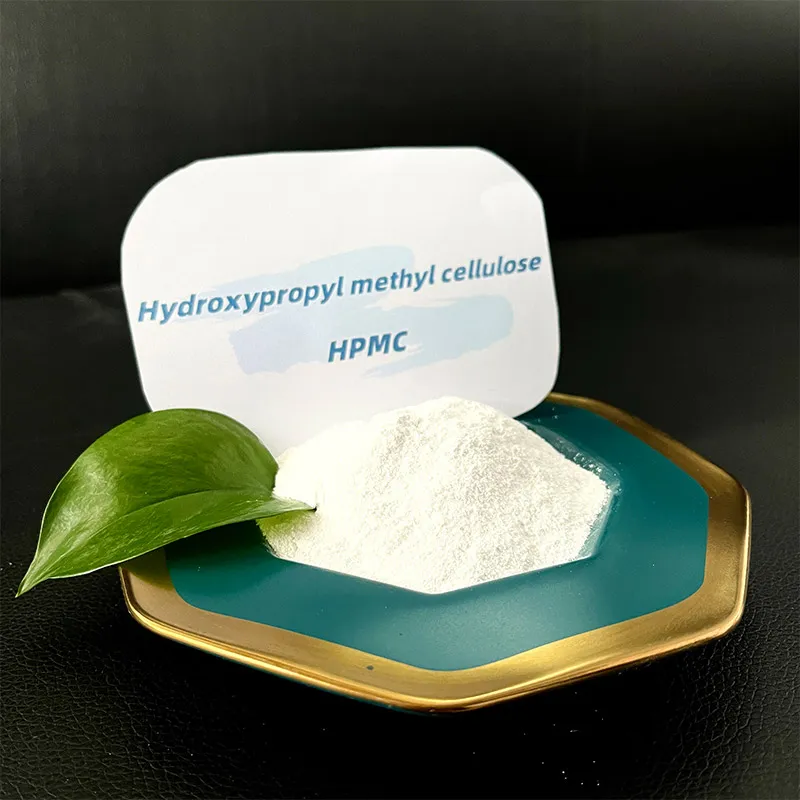
Hydroxypropyl Methylcellulose, commonly referred to as HPMC, is a multi-faceted cellulose-based polymer that’s extensively utilized across a multitude of industries. When speaking specifically about HPMC K4M, it references a grade of HPMC that appears prominently in several sectors, notably pharmaceuticals, food, construction, and cosmetics. The “K4M” designation speaks to the viscosity measurement—it is an integral feature that defines its application capabilities and functional advantages. Within pharmaceuticals, HPMC K4M stands as a pillar due to its controlled release capabilities, making it indispensable in formulating sustained-release drugs. As a viscosity agent, it retards the dissolution rate of drugs, offering a way to manage dosage releases over extended periods. Experience within this realm underscores its stability and efficiency. Researchers and formulators appreciate HPMC K4M's ability to maintain stable drug release profiles, even under extreme environmental conditions, thus qualifying it as a reliable excipient. Its inherent degree of consistency in pharmaceutical applications ensures patients benefit from trusted medication performance, marrying both expertise and trustworthiness in pharmaceutical engineering. In the construction industry, HPMC K4M serves as an essential additive for tile adhesives and plaster. Its expertise is demonstrated through its abilities as a thickening agent; it imparts crucial water retention and workability to cement mixes. Construction professionals frequently cite HPMC K4M's influence on consistency during application, ensuring even distribution of materials with reduced risk of cracking or shrinkage. This attribute reflects the authoritativeness of HPMC K4M in construction, triangulated by decades of field application that underline how fundamental it is for creating robust, durable surfaces. The food industry leverages HPMC K4M for its stabilizing and emulsifying properties . It offers culinary solutions, particularly in maintaining the integrity of sauces, dressings, and toppings. As a food additive, it provides a sense of trust for manufacturers aiming to achieve specific textures or moisture levels without compromising on quality or safety. Expertise in food science continually validates HPMC K4M due to its non-toxic, non-allergenic nature, effectively demonstrating its aptitude in satisfying industry standards related to consumer health and safety. hpmc k4m full form In cosmetology, HPMC K4M's role as a thickening, emulsifying, and stabilizing agent cannot be overemphasized. Cosmetic formulations reliant on moisturizing solutions frequently include HPMC K4M for its consistent performance in product stability and texture, enhancing user experience. This agent's inclusion transforms ordinary skincare items into luxurious applications with consistent texture and spreadability, fostering consumer trust through reliable product performance. Thus, with an established reputation throughout various industries, HPMC K4M's contributions are multi-dimensional—ranging from the pharmaceutical sector's demand for precision and control to construction's need for material stability, the culinary arts' quest for consistent quality, and the cosmetic industry's innovation for texture and feel. It is precisely its adaptability and proven reliability that affirm HPMC K4M's position as a product derived from decades of expertise and experience. The momentous role of HPMC K4M as an industry staple underscores not just its versatility, but also its foundational reliability meticulously crafted through precise scientific engineering and comprehensive application studies. Informed stakeholders consistently rely on this particular grade of HPMC, evidenced by its longstanding integration into myriad applications where tensile reliability and performance trust are not merely advantageous, but essential. In crafting solutions where longevity, efficiency, and safety intersect, HPMC K4M emerges as a pivotal component deservedly respected across sectors. Each instance of its application points toward an undeniable synergy between innovative material science and practical industry demands, cementing its perpetuity as both a modern marvel and a future-oriented choice in material augmentation.
advantages
-

200000 Viscosities
Excellent product
We can produce pure products up to 200,000 viscosities
-

40000 tons
High yield
We don’t stop production all year round, and the annual output can reach 40,000 tons
-

24 hours
Quality service
We provide 24-hours online reception service, welcome to consult at any time
———— Inquiry Form
Schedule A services

-
 hpmc_uses_in_tablets
Oct . 25, 2025
HPMC dextran has garnered considerable attention in the field of pharmaceuticals and biomedical appl -
 hpmc_e15_viscosity
Oct . 25, 2025
The Versatility and Applications of Polyvinyl Chloride Powder Polyvinyl chloride (PVC) is one of the -
 modified_starch_types
Oct . 25, 2025
Hydroxypropyl Methylcellulose (HPMC) has emerged as a crucial ingredient in various industries, with


